


Why StarCraft Players Are Already Trained for the Age of Artificial Intelligence
For years, StarCraft has been considered one of the most demanding strategy games in the world. Yet, the skills it develops - planning, resource management, adaptation, decision-making under uncertainty, and multitasking - are now at the heart of modern artificial intelligence. As AI agents transform marketing, businesses, and productivity, strategy game players may have an unexpected advantage.
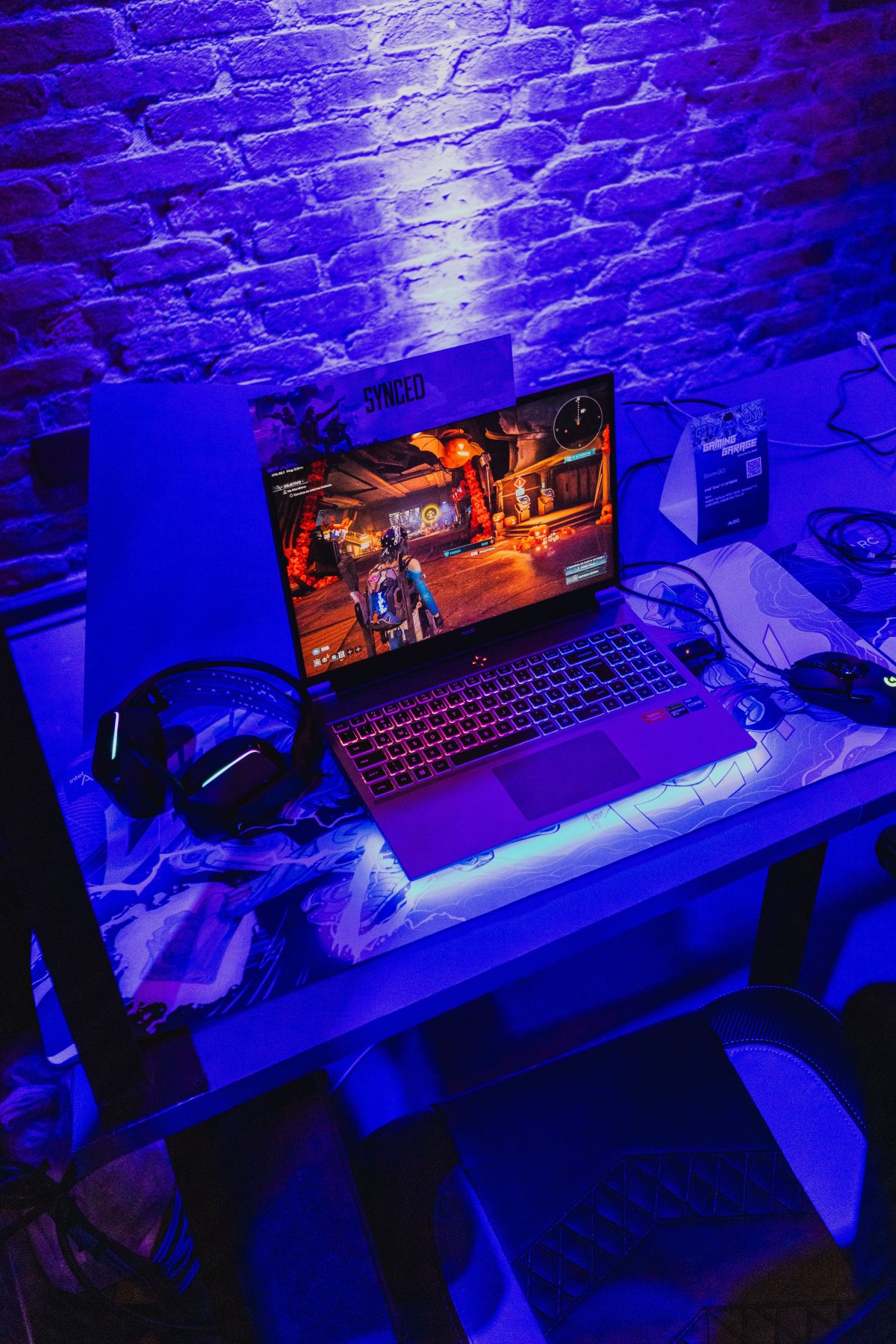
For years, StarCraft players have developed skills that seemed reserved for video games. Today, with the explosion of artificial intelligence agents, these skills are becoming surprisingly relevant in the professional world.
Far from clichés, strategic gaming has taught an entire generation to manage complex systems, make decisions under pressure, and optimize limited resources. Qualities that increasingly resemble those needed to make the most of modern AIs.
StarCraft: much more than just a game Released in 1998 and later modernized with StarCraft II, Blizzard's real-time strategy game has become a global reference. Unlike many games, StarCraft does not rely solely on reflexes.
It requires simultaneous management of: an economy; production; technological research; map exploration; defense; attack; constant adaptation to the opponent. Each game is different. No scenario is written in advance. This is exactly what makes StarCraft so close to the problems that artificial intelligences are trying to solve today.
An AI plays... like a strategist When asked to accomplish a complex objective, a modern AI does not think very differently from an experienced player. Let's take an example. Objective: Increase a company's sales.
The AI agent will naturally break down this mission: analyze the market; observe competitors; identify opportunities; create a strategy; execute multiple actions; measure results; correct its strategy. A StarCraft player proceeds exactly the same way. Objective: Win the game.
They must: develop their economy; explore the map; locate the opponent; adapt their strategy; produce the right units; attack at the right time; constantly reassess the situation. In both cases, it is not about solving a single problem, but orchestrating dozens of decisions simultaneously.
The fog of war resembles real-world data One of the most important concepts in StarCraft is the Fog of War. Part of the map remains hidden. The player never knows exactly: what their opponent is preparing; where they are building their structures; what strategy they are adopting. They must make decisions with incomplete information.
Artificial intelligence works exactly this way. It never perfectly knows: the market; customer intentions; future changes from Google; competitors' decisions. It must reason despite uncertainty. The best AI users naturally understand this logic. Macro and micro: just like AI agents In StarCraft, we distinguish between two...
levels. The macro Build your economy. Produce. Develop. Plan. The micro Precisely control each unit. Optimize battles. React in real-time. Modern AI agents operate similarly. The macro involves setting objectives: increase sales; improve SEO; generate more leads.
The micro corresponds to actions: write an article; analyze data; post on social media; respond to a customer; launch a campaign. A good AI constantly alternates between these two levels. Players already know how to optimize resources. In StarCraft, everything is limited: minerals; gas; workers; time; maximum population.
Every decision has a cost. Artificial intelligence also operates with limited resources: computation time; API calls; budget; data quality; available context. Players have already developed this optimization reflex. Build orders resemble AI workflows. Professional players often follow extremely optimized openings.
For example: produce workers; build a barracks; develop technology; take a second base. Companies are now doing exactly the same thing with their AI agents. Example: Collect data. Analyze competitors. Identify opportunities. Generate content. Publish. Measure performance. Optimize.
These are nothing more than "build orders" applied to marketing. Why gamers have a head start For twenty years, strategy gamers have developed skills that are becoming extremely sought after.
They know how to: learn quickly; experiment; accept failure; optimize processes; manage multiple tasks simultaneously; think in terms of systems rather than isolated tasks. These qualities are essential for effectively collaborating with artificial intelligences.
The best AI users are not necessarily those who know the language models best. They are often those who know how to structure a complex objective and make the right decisions. Strategy game players already possess this way of thinking. What this means for companies The mistake would be to consider AI as just a writing tool.
The companies that will succeed are those that will build true systems capable of: observing; analyzing; deciding; acting; learning. This is precisely what a good StarCraft player does throughout a game.
The ambition of Leadnist At Leadnist, we believe that companies will soon have their own "AI commanders." Not an artificial intelligence that simply answers a question. But a true co-pilot capable of: analyzing the market; monitoring competitors.
Identifying opportunities; generating content; automating marketing actions; measuring results; continuously proposing the best decisions. Like a StarCraft player, the goal is not to replace humans. The goal is to enable them to focus their energy on high-value decisions while AI executes, monitors, and optimizes the rest.
Conclusion: For a long time, video games have been seen as mere entertainment. The rise of artificial intelligence shows a different reality. Strategy games have trained millions of people to manage complexity, think in systems, and make decisions in uncertain environments.
As AI agents become capable of running businesses, these skills gain considerable value. Gamers are not just ready for this new revolution. They have, often without realizing it, several years of training ahead.